
Temps de lecture : 7 min
Key Takeaways
- Alcohol-free beer in Europe: know the difference between “Sin” and “0.0” – labels can mislead.
- Insurance coverage for bars and restaurants: theft is not the top risk – water damage and liability are.
- Cross-border claims: if you host a beer event, check your policy for EU-wide coverage.
Why Beer and Insurance Are Connected
Let me be direct: beer and insurance don’t usually appear in the same sentence. But as someone who has spent twelve years in claims consulting, I’ve seen too many incidents where a casual drink turned into a costly liability. Whether you’re enjoying a summer beer at a festival or running a bar that serves them, insurance is the safety net you rarely think about – until you need it.
In this article, I’ll break down what you need to know about beer-related risks, how to protect yourself, and the common myths that could cost you money. Drawing on my cross-border experience in Europe, I’ll also point out differences in national rules that matter.
Beer Consumption Habits in Europe
Here’s what most people miss: beer is not just a beverage; it’s a cultural pillar in many European countries. In Spain, for example, bars are everywhere, and summer means crowded terraces. According to the latest data, Spain produced 41.52 million hectoliters in 2025, making it the second-largest producer in the EU, behind Germany.
That volume translates to significant economic activity, especially in rural areas where raw materials come from local farms. But with more beer comes more risk – from DIY accidents at home to public liability in hospitality.
The Rise of Alcohol-Free Beer: What You Need to Know
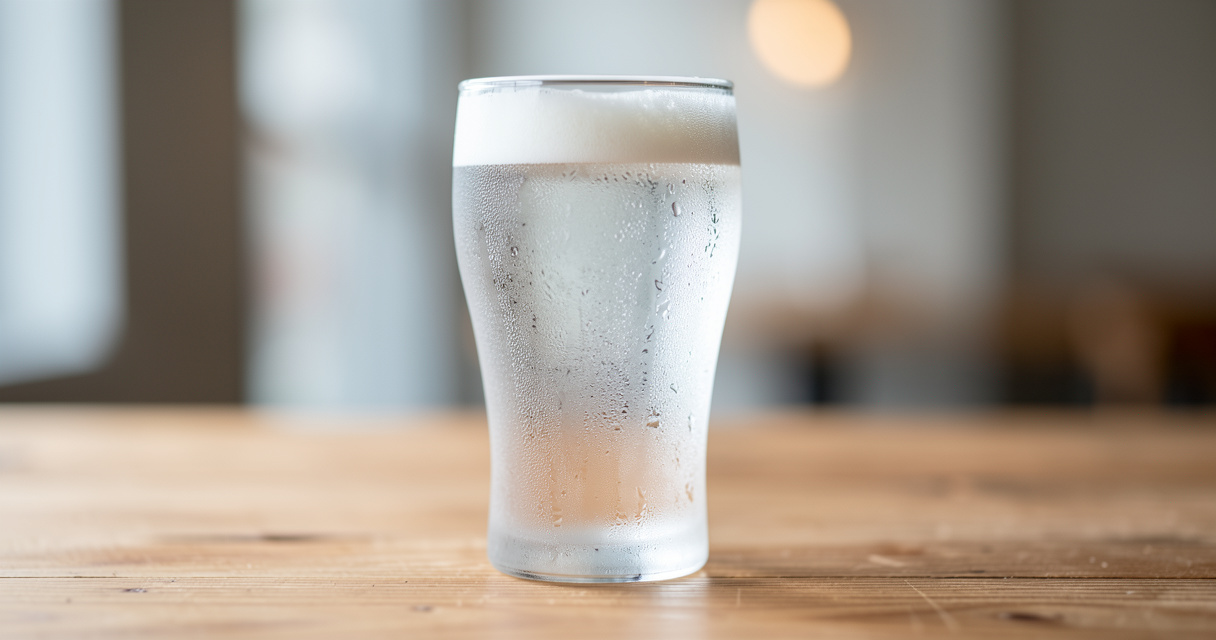
Europe leads the world in alcohol-free beer consumption. It’s a great choice if you’re driving or avoiding alcohol for health reasons. But the labels can be confusing.
- “Sin” beer: Despite the name, it actually contains about 0.7% alcohol. The label doesn’t need to declare it because the regulation sets the threshold at 1.2%.
- “0,0” beer: Truly alcohol-free. If you’re behind the wheel, this is the only safe choice.
This isn’t just a labeling issue—it’s a legal one. If you cause an accident after drinking “sin” beer thinking it’s alcohol-free, you could face serious charges. I’ve seen cross-border cases where a driver from the Netherlands was caught over the limit in France because of this misunderstanding.
Common Beer Myths That Can Lead to Financial Trouble
Let’s tackle some of the most popular myths. You’ve likely heard them, and they sound reassuring. But they’re often based on flawed studies or marketing.
- Beer rehydrates you: Nope. Alcohol is a diuretic, so it makes you lose fluids. Water is the only true hydrator.
- Moderate beer is good for your heart: Recent research disputes this. Don’t drink per salute.
- Beer doesn’t make you gain weight: It’s caloric and can increase appetite. It’s not beer alone, but the snacks that follow.
- Beer relieves pain: That’s dangerous. It’s not a substitute for medication and can worsen underlying conditions.
Why does this matter for insurance? Because drinking excessively can impair judgment, leading to accidents that cause property damage or personal injury. Your health policy won’t cover alcohol-related incidents if you’re found at fault.
The Real Risks in the Hospitality Sector: Beyond Theft
You might think theft is the top risk for a bar or restaurant. To put it plainly, it’s not. According to industry data, the most frequent insurance claims for commercial premises are:
- Burst water pipes and flooding – often due to poor maintenance.
- Fire and electrical faults – especially in kitchens.
- Public liability – slips and falls on wet floors are common.
- Damage to refrigerated goods – power cuts or equipment breakdown.
- Glass breakage – both front windows and interior glassware.
In twelve years at a major insurer, I’ve seen thousands of claims like these across Europe. Often the business owner didn’t realize their policy excluded certain causes. For example, in Germany, many policies exclude accidental damage caused by your employees unless you have a specific extension.
How to Protect Your Business (and Yourself) with Insurance
If I were filing a claim myself, the first thing I’d check is the breadth of my international coverage. For a business, a standard multirisk policy might not cover cross-border incidents. If you’re hosting an event abroad or serving beer to foreign clients, you need a policy that works in multiple jurisdictions.
Here’s what most people miss: many SMEs in Europe rely on the same local insurer, assuming all claims are covered when a loss occurs in another country. But EU laws don’t harmonize coverage – each national market has its own rules. For instance, public liability limits vary significantly between France and Poland.
Cross-Border Claims: Lessons from My Experience
Let me tell you about a case I handled. A Dutch café owner with a branch in Belgium. A patron spilled beer on the floor, someone slipped, and the resulting lawsuit named both the Belgian premises and the Dutch parent company.” The policy had a territorial clause – it only covered claims in the Netherlands. The insurer denied coverage for the Belgian incident.
The reality is straightforward: insurance is a contract with exclusions buried in the fine print. The average consumer never reads the territorial scope. That’s not your fault – it’s designed to be confusing. But my job is to make it clear for you.
A Practical Checklist for Beer-Related Risks
- For consumers: Always choose “0,0” if you drive. Read the label – don’t rely on the “sin” claim.
- For bar owners: Get a policy that covers water damage, fire, liability, and business interruption. Verify that your policy extends to outdoor terraces.
- For event organisers: Check the territorial limit of your policy. If you serve beer at a festival in another EU country, ensure you have a European-wide coverage.
Final Thoughts: Enjoy Beer, But Plan Ahead
Beer is a pleasure, not a risk if you handle it wisely. I’m not here to spoil your fun – quite the opposite. I want you to enjoy that cold draft, but also know what’s at stake if something goes wrong.
In my experience across Europe, the difference between a hassle and a nightmare is often just a well-reviewed insurance policy. Whether you’re a consumer or a business, take the time to understand your coverage. It’s your financial safety net.
So, next time you toast with friends, remember: a little caution can save you a lot of trouble. Cheers to that.

Twelve years inside the claims industry taught me one thing: most people leave money on the table simply because they don’t know the rules. EuroClaim exists to change that — practical guides, no jargon, no insurance PR.