

Reading time: 17 min
Key Takeaways
- Classic pickup insurance uses an agreed value rather than depreciated cash value, protecting your investment if the truck is totaled.
- Eligibility typically requires the vehicle to be 25+ years old, stored in a locked garage, and used only for hobby purposes — a separate daily driver is mandatory.
- Top providers like Hagerty, Chubb, and American Collectors offer specialized add-ons such as spare parts, restoration coverage, and multi-vehicle discounts.
- Always compare quotes and disclose modifications upfront; coverage restrictions vary significantly between insurers.
What Is Classic Pickup Insurance and How Does It Differ from Standard Policies?
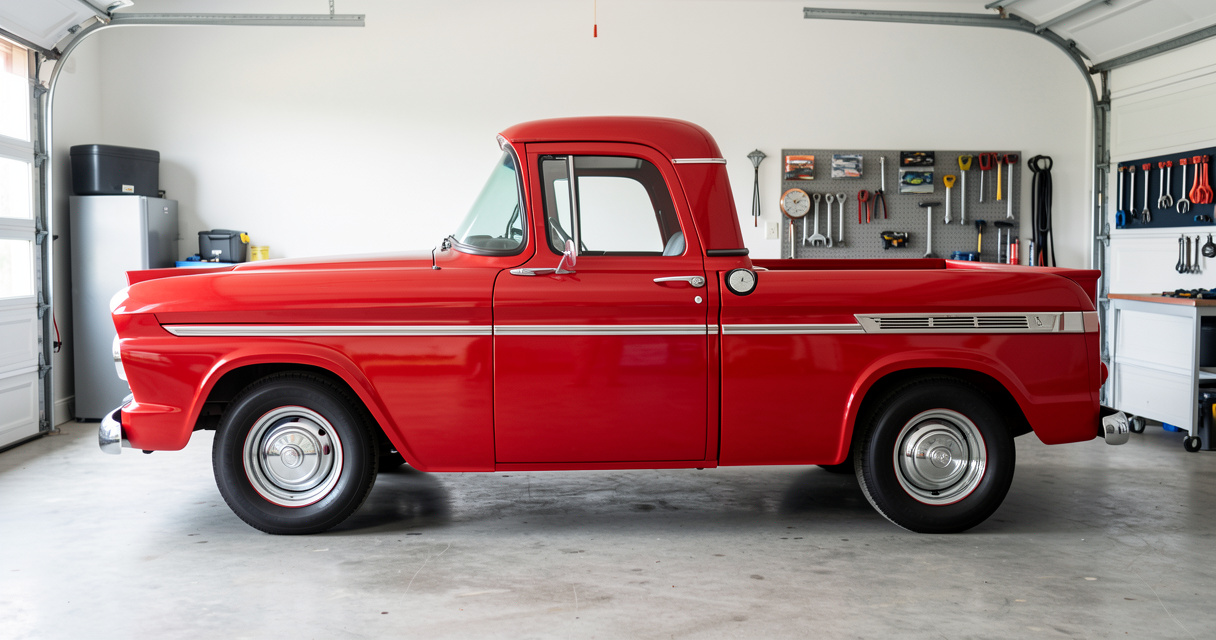
Classic pickup insurance is a specialty policy that covers vintage trucks up to an agreed value rather than a depreciated cash value. It typically requires the vehicle to be 25+ years old, stored in a locked garage, and used only for hobby purposes like car shows and occasional drives. Unlike standard auto insurance, it does not cover daily commuting or off-road driving, and many insurers require you to have a separate daily driver. This tailored approach offers better protection for appreciating classic trucks.
Key Differences vs. Regular Auto Insurance
| Feature | Standard Auto Insurance | Classic Pickup Insurance |
|---|---|---|
| Coverage basis | Actual cash value (depreciated) | Agreed value (no depreciation) |
| Use allowed | Unlimited (commuting, errands, work) | Hobby use only (shows, parades, occasional drives) |
| Storage | Anywhere (driveway, street, garage) | Locked garage required by most providers |
| Cost | Higher due to mileage and risk | Often 30–50% less because of limited use |
| Claim settlement | Depreciated value minus deductible | Full agreed value, no depreciation |
Agreed Value defined: The amount you and the insurer set when the policy starts. If the truck is totaled, you receive that amount — no depreciation, no haggling. This is the core advantage of classic policies.
Why Classic Pickups Are Insured Differently
Trucks like a 1972 Ford F-100 or a 1965 Chevrolet C10 can appreciate significantly after a professional restoration. Standard policies are designed for vehicles that lose value every year ; they apply mileage and age depreciation that would leave you severely underinsured. Classic pickup insurance was created by collector enthusiasts to reflect the true market value of these vehicles. Let me be direct: if your truck is a cherished project or a showpiece, a standard policy is a gamble you don’t want to take.
Eligibility Requirements: Does Your Pickup Qualify as ‘Classic’?
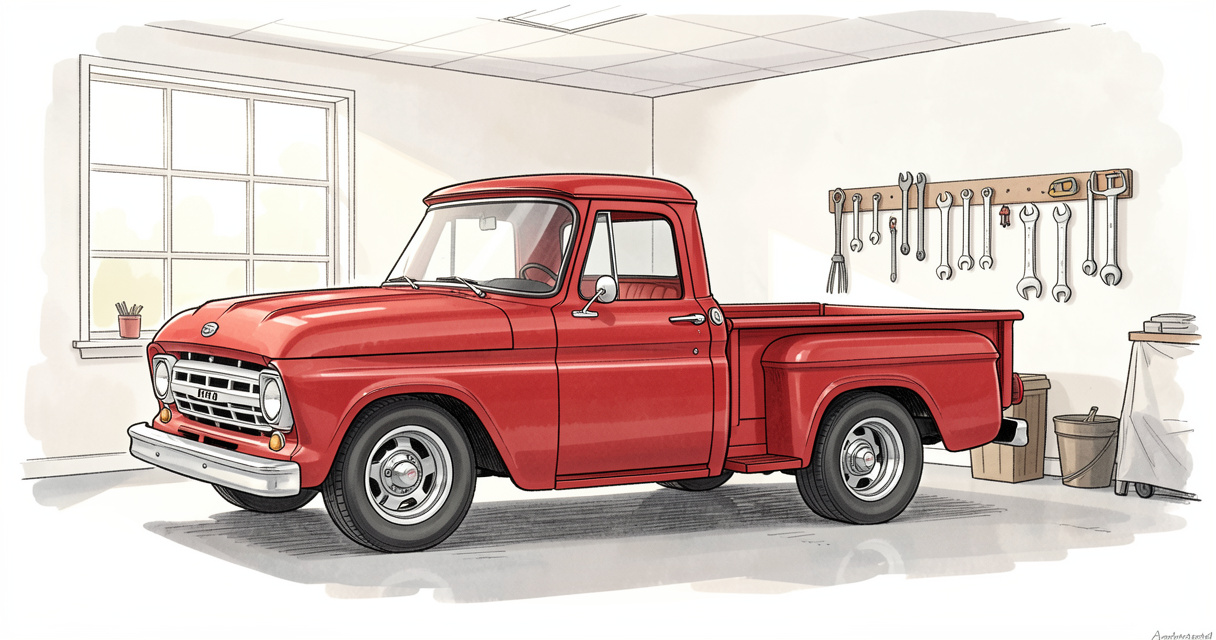
Most insurers — Hagerty, Progressive, GEICO via Hagerty — set a minimum age of 25 years for classic or antique status. However, some accept newer trucks if they are limited-edition or highly collectible (e.g., a 1999 Ford Lightning). Beyond age, condition matters: your truck must be in good original or restored condition, not a daily driver with dents and rust. Many insurers require photos and an appraisal.
Age and Condition Standards Across Providers
Hagerty: 25+ years, must be kept in a locked garage, no extreme modifications (brush guards, large off-road tires).
American Collectors: 25+ years, similar garage requirement, but offers more flexibility on mileage caps.
Chubb: 25+ years, requires professional appraisal for values over $100,000.
According to Hagerty and Progressive editorial guidelines (2025), many insurers require vehicles to be 25 years or older to qualify as classic or antique. This is a hard line, but exceptions exist for rare modern collectibles.
Storage and Daily Drive Requirements
- Locked garage (preferably climate-controlled) – outdoor parking usually disqualifies you.
- You must own a separate vehicle for daily commuting and errands.
- Mileage limits vary: some insurers cap at 2,500 miles per year; others offer unlimited hobby miles (Chubb).
- The truck must not be used for commercial purposes, including hauling for profit.
I’ve seen this go wrong too many times: a classic pickup owner uses his truck for a weekly commute and gets a claim denied because the policy strictly prohibits routine transportation. Always read the usage clause carefully — if you need to drive it to work daily, classic insurance is not for you.
Agreed Value vs. Actual Cash Value: Why It Matters for Truck Owners
The single most important difference in classic pickup insurance is the valuation method. With agreed value coverage, you and the insurer set a fixed amount at the start of the policy. That’s what you receive in a total loss — no depreciation, no arguments. Standard policies use actual cash value, which subtracts age, mileage, and wear. For a restored pickup, the gap can be tens of thousands of dollars.
| Factor | Agreed Value | Actual Cash Value |
|---|---|---|
| Claim payout | Fixed amount from policy start | Purchase price minus depreciation |
| Premium impact | Often slightly higher, but predictable | Lower initially, but risk of underinsurance |
| Vehicle age effect | No depreciation — value can increase if reappraised | Value drops sharply each year |
| Ideal for | Restored, rare, or appreciating vehicles | Older daily drivers with minimal value |
Warning: If your truck is under restoration, update your agreed value as the work increases its worth. A partially restored vehicle with a $15,000 agreed value could leave you short if a fire destroys it after you’ve added a $8,000 engine.
Getting a Professional Appraisal
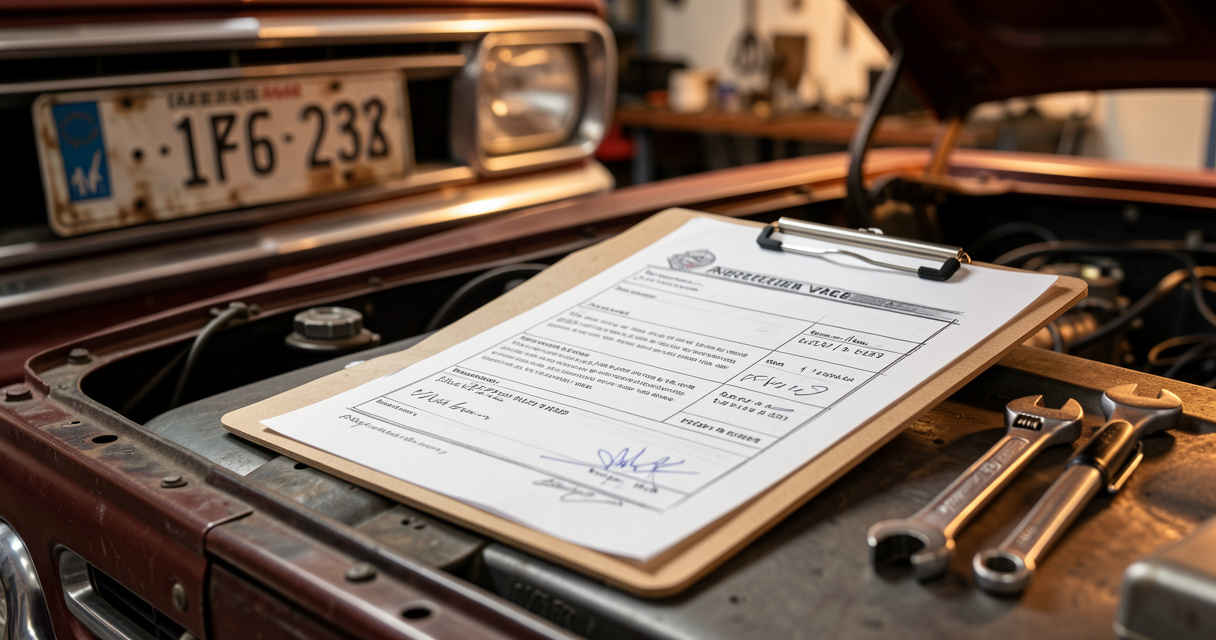
To set an accurate agreed value, you’ll need a professional appraisal. Start by documenting every detail: original parts, restoration receipts, photographs of the chassis and interior. Hire an appraiser certified by the American Society of Appraisers or a specialty classic car appraiser. The report should include current market comparisons from auction results and classifieds. Then submit it to your insurer — they may accept it or request a different appraiser. In my experience across Europe, the same principle applies: a credible appraisal is the cornerstone of a fair settlement.
Coverage Options and Add-Ons Tailored for Classic Pickups
Beyond the basic collision and comprehensive, classic pickup policies offer unique add-ons that standard insurers don’t provide. One of the most valuable is spare parts coverage — American Collectors Insurance includes up to $500 of spare parts at no extra cost (as per their 2025 website). Restoration coverage automatically raises your agreed value as you complete stages of the rebuild. And towing coverage often extends to 200 miles, compared to the typical 10–20 miles on a standard roadside plan.
Spare Parts and Restoration Coverage
If you’re sourcing rare parts for a Ford F-100 or a Dodge D100, a theft or fire in your garage could destroy a collection worth thousands. Many classic policies include dedicated coverage for spare parts, often with limits between $500 and $2,000. Restoration coverage is even more critical: it ensures that if a fire or vandalism occurs mid-project, the insurer pays out the value of the truck as it stood before the incident, plus the cost of the parts and labor already invested.
Towing and Roadside Assistance for Classics
Classic trucks break down — old wiring, carburetors, and overheating are part of the hobby. Standard roadside assistance often covers only 5–10 miles of towing. Chubb offers a 200-mile towing benefit with their classic policy, which is a game-changer if you’re traveling to a car show 100 miles from home. Hagerty also offers flatbed towing to avoid damage.
Multi-Vehicle and Bundling Discounts
If you own multiple classic vehicles — say a 1970 Chevelle and a 1968 C10 — bundling them on one classic policy can unlock significant discounts. American Collectors offers multi-vehicle discounts that can lower per-truck premiums by 10–15%. As always, getting a quote for a fleet is smarter than insuring each vehicle separately.
| Provider | Spare Parts | Restoration Coverage | Towing (miles) | Multi-Vehicle Discount |
|---|---|---|---|---|
| Hagerty | Up to $500 included | Yes, automatic value adjustment | 100 miles | Yes |
| American Collectors | Up to $500 included | Yes, with periodic reappraisal | 50 miles | Yes |
| GEICO driven by Hagerty | Optional | Yes | 100 miles | Yes |
| Chubb | Separate coverage available | Yes, for high-value projects | 200 miles | Yes |
| Liberty Mutual | Not included | Limited | Standard 10 miles | Possible with other policies |
Usage Restrictions: Can You Drive Your Classic Pickup Every Day?
Here’s what most people miss: classic pickup insurance is not a full-time license to drive your vintage workhorse. Virtually all policies prohibit daily commuting. GEICO/Hagerty explicitly states “no mileage limits but hobby use only.” Chubb allows unlimited hobby miles — meaning you can drive it to shows, parades, Sunday drives, but not to the office. If you need a truck for regular errands or work, you must keep a separate daily driver insured under a standard policy.
What Counts as ‘Occasional Use’?
- Allowed: Car shows, club meets, parades, pleasure drives (a few times per month).
- Prohibited: Daily work commute, grocery runs, school drop-offs, commercial hauling.
- Gray area: Occasional towing of a small trailer or boat — check with your agent; Progressive allows in some cases.
The reality is straightforward: insurers classify your classic pickup as a “collector vehicle” and price it accordingly. The moment you treat it like a daily driver, you’re violating the policy’s core premise.
Hauling, Towing, and Off-Road: What’s Allowed?
A common question: can I use my 1978 Ford F-150 to haul a load of lumber to the dump? The answer is almost always no. Classic policies are not designed for utilitarian use. Off-road driving is also excluded — if you damage a classic truck on a trail, the claim will likely be denied. Some insurers may offer an endorsement for occasional off-road use, but it’s rare. If I were filing this claim myself, I would never assume that my classic policy covers anything beyond paved roads and hobby activities.
Real example: Mark, a 1972 Ford Bronco owner, used his classic policy for a daily commute to work for several months. When he was rear-ended, the insurer denied the claim after checking mileage logs and GPS data. He had to pay for repairs out-of-pocket. Don’t repeat Mark’s mistake — if you drive it daily, insure it as a standard vehicle.
Top Insurance Providers for Classic Pickups: A Side-by-Side Comparison
Choosing the right provider can be overwhelming. Below is a comparison of five major insurers based on their classic pickup offerings. Each has strengths, so match them to your specific needs — value, usage, and budget.
| Provider | Min. Age | Storage Required | Spare Parts Coverage | Mileage Limit | Multi-Vehicle Discount | Claims Stat |
|---|---|---|---|---|---|---|
| Hagerty | 25 years | Locked garage | $500 included | Unlimited hobby miles | Yes | Claims satisfaction 98% (self-reported) |
| American Collectors | 25 years | Locked garage | $500 included | 2,500–5,000 per year | Yes | In business since 1976 |
| GEICO Driven by Hagerty | 25 years | Locked garage | Optional add-on | Unlimited hobby miles | Yes (with other GEICO policies) | Rated A++ (AM Best) |
| Chubb | 25 years | Locked garage or secure private lot | Separate rider | Unlimited hobby miles | Yes | 98% contact within 24 hours |
| Liberty Mutual | 20–25 years | Garage preferred but negotiable | Not included | 5,000 per year | Yes | Rated A (AM Best) |
Hagerty – Specialized in Collector Trucks
Hagerty is the market leader in collector vehicle insurance. They offer guaranteed value (their term for agreed value) and a claims process designed for enthusiasts. Their spare parts coverage and multi-vehicle discounts are strong, and they have a network of classic-friendly repair shops.
American Collectors Insurance – Flexible Coverage Since 1976
According to their website (2025), American Collectors Insurance has been providing classic auto policies since 1976. They offer a wide range of coverage options, including restoration and spare parts, and are known for accommodating modified vehicles (within reason).
Chubb – Premium Service with 200‑Mile Towing
Chubb targets high-value collectors. Their policy includes a 200-mile towing benefit and the option to choose any repair shop. They also provide a personal risk manager for large claims. Chubb claims adjusters make contact within 24 hours of a claim report in 98% of all cases (as per their official site, 2025).
GEICO Driven by Hagerty – Broad Accessibility
If you already have a GEICO policy, adding a classic pickup through their partnership with Hagerty is seamless. The coverage mirrors Hagerty’s, but underwriting is handled by Hagerty. This option is ideal for those who want a single billing provider.
Liberty Mutual – Basic Classic Coverage
Liberty Mutual offers classic auto policies with standard features but fewer specialized add-ons. It may work if your truck is a lower-value collectible and you want a bundled policy with your home and auto. But for serious collectors, specialty insurers are usually better.
How Much Does Classic Pickup Insurance Cost? (Savings Tips Inside)
Classic pickup insurance is generally cheaper than standard auto insurance because of the limited mileage and hobby-use restrictions. Premiums can be 30–50% lower than a comparable standard policy. However, the agreed value you choose will influence the cost: a $40,000 appraisal will cost more than a $15,000 one. Beyond the base rate, several factors affect your premium.
Factors That Affect Your Premium
- Agreed value: Higher value = higher premium.
- Storage: A locked garage vs. uncovered parking can lower or raise premiums.
- Mileage cap: A higher annual limit (e.g., 5,000 miles) will be pricier than a 2,500-mile cap.
- Modifications: Lifted trucks or performance upgrades may increase rates or even disqualify you.
- Your driving record: Even on a hobby policy, claims history matters.
Bundling and Storage Discounts
Savings tip: Insuring a classic pickup often costs 30–50% less than a standard policy because of limited mileage – but always compare agreed value rates. Ask about multi-vehicle discounts if you have another classic, and inquire about storage discounts (climate-controlled garage vs. detached shed).
Let me be direct: the best way to save is to shop around. Use an independent agent who specializes in classic cars, or get quotes directly from Hagerty, American Collectors, and Chubb. Never assume the first quote is the best.
The Claims Process: What Happens If Your Classic Pickup Is Damaged or Stolen?
When you file a claim on a classic pickup policy, the process is designed to be more owner-friendly than standard insurance, but only if you understand the rules. The key difference is that the payout is based on the agreed value, not the depreciated market value. For a total loss, you’ll receive the full agreed value minus any deductible and salvage value (if you keep the wreck).
Total Loss and Agreed Value Payouts
In the event of a total loss—say a garage fire or a collision that totals the truck—the insurer will pay the agreed value listed on your policy. For example, a 1968 Chevrolet C10 owner whose truck was destroyed in a garage fire received the full agreed value of $28,000 from Chubb within two weeks. He was also allowed to buy back the salvage for parts (deducted from the payout). This contrasts sharply with a standard policy, where the same truck might be valued at $10,000 after depreciation.
Case study: A 1972 Ford F-100 owner parked his truck in a rented storage unit that caught fire due to electrical failure. His Hagerty policy with an agreed value of $35,000 paid in full within 19 days. Because the truck was a total loss, the payout allowed him to purchase another restored F-100 and fund the rebuild of his workshop.
Choosing a Repair Shop and OEM Parts
Most classic policies allow you to select the repair shop — a huge advantage. Chubb explicitly permits any shop you choose, and Hagerty has a network of certified classic repair facilities. They also mandate the use of OEM (original equipment manufacturer) parts or high-quality reproductions, rather than generic aftermarket parts. This ensures your truck remains authentic and retains its value after repairs.
I’ve seen this go wrong too many times when a consumer unknowingly accepts a standard policy that forces them to use cheap aftermarket parts. With classic insurance, the contract usually states that parts will be original or equivalent. Always confirm this clause before signing.
Frequently Asked Questions
Can I use my classic pickup for hauling or towing?
Some insurers allow occasional hauling, but off-road driving is generally excluded. Check your policy and consider standard coverage if you need to tow regularly.
Do I need a separate daily driver to get classic pickup insurance?
Yes, virtually all providers require that you have another vehicle insured for everyday use. This keeps the risk low for the insurer.
Are modified pickups (lift kits, brush guards) covered by classic insurance?
Many classic insurers reject extreme off-road modifications. Hagerty explicitly excludes brush guards and large off-road tires. Always disclose modifications upfront.
What is the difference between agreed value and guaranteed value?
Both mean the same – you and the insurer agree on a value at policy start and that amount is paid for a total loss, with no depreciation. Hagerty calls it Guaranteed Value®.
Does classic pickup insurance cover ongoing restoration?
Yes, many providers offer restoration coverage that automatically adjusts your agreed value as work progresses, protecting your investment during rebuild.
Can I insure a classic pickup that I drive in parades and car shows?
Absolutely – that’s exactly the intended use. Such events are considered hobby use and are fully covered under classic policies.
How much does classic pickup insurance cost on average?
Exact numbers vary, but classic insurance often costs less than standard because the truck is driven fewer miles. Multi-vehicle and storage discounts can further reduce premiums.
Final Thoughts: Protect Your Vintage Truck with the Right Policy
Classic pickup insurance uses an agreed value, not depreciated value, protecting your investment. Eligibility typically requires the truck to be 25+ years old, stored in a locked garage, and driven only occasionally. Top providers like Hagerty, Chubb, and American Collectors offer specialized add-ons such as spare parts and restoration coverage. Always compare multiple quotes and disclose any modifications to ensure you’re fully covered.
Before you hit the road in your prized pickup, take 10 minutes to compare classic insurance quotes – your truck’s true value depends on it. The right policy doesn’t just give you peace of mind ; it ensures that the hours, money, and passion you’ve poured into your vintage truck protection are fully recognized when it matters most.

Twelve years inside the claims industry taught me one thing: most people leave money on the table simply because they don’t know the rules. EuroClaim exists to change that — practical guides, no jargon, no insurance PR.