
Reading time: 17 min
Key Takeaways
- Consumer Insurance Association is not a licensed insurer. The Texas Department of Insurance warned in 2019 that callers using this name were running a scam.
- Unsolicited calls use spoofed caller ID, rotating first names, and high-pressure auto insurance offers. Treat them as suspicious until verified.
- Legitimate association insurance programs exist and can offer group buying power, advocacy, and education. Verify the association and the licensed insurer before buying.
- Report scam calls to your state insurance department, the FTC, the FCC, and the National Do Not Call Registry.
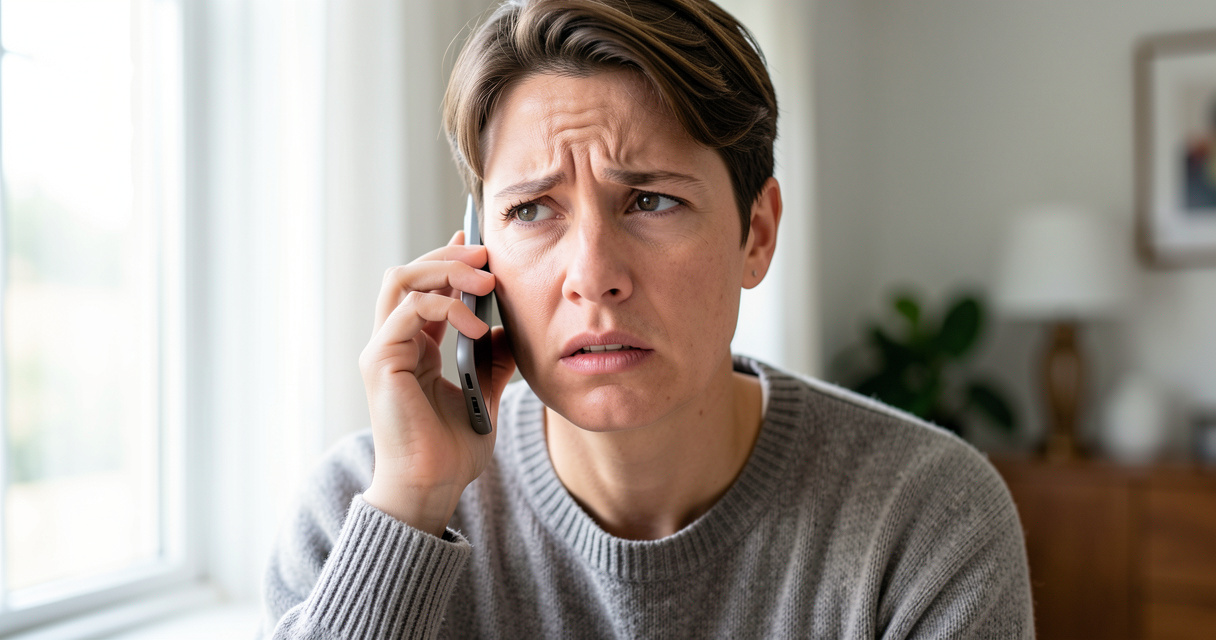
A caller says they’re from the Consumer Insurance Association and can cut your auto insurance rate in half. Do you ask questions, or do you hang up? Here’s how to tell the difference before you say another word.
The phrase consumer insurance association sounds official, but it appears in two very different places: a real lead-generation website that connects consumers with licensed insurance agencies, and a phone scam that has drawn warnings from state regulators. That overlap is exactly why so many people are confused.
Let me be direct: the group behind unsolicited calls is not a licensed insurer, not a regulator, and not a consumer protection agency. In my experience across Europe, I have watched the same script play out under different names. This guide shows you how to spot the insurance scam, understand what legitimate association benefits look like, and verify any company before you share personal data.
What Is the Consumer Insurance Association?
Here’s what most people miss: there is no single official body called the Consumer Insurance Association. The name is used by at least one real lead-generation website, and by fraudulent callers who borrow the label to sound legitimate.
A lead-generation website with a real presence
A lead-generation website with this name exists and works like many quote-comparison services. You enter your ZIP code, answer questions about your coverage, and the site passes your information to licensed insurance agencies that pay for the lead. That business model is legal in most states when agents are properly licensed. It can connect you with real auto, home, life, and health insurance quotes.
The problem is that the website is not an insurance company. It does not underwrite policies, adjust claims, or represent state regulators. It is a marketing channel. Scammers know that consumers will not stop to check that distinction.
Why the name is easy to impersonate
Fraudsters choose names that sound institutional, because trust is the fastest shortcut to sensitive information. “Consumer Insurance Association” sounds like a watchdog or a trade group. It contains no obvious company brand, so it can be copied, changed, and reused without raising alarm.
I’ve seen this go wrong too many times. A policyholder answers a call, hears the official-sounding name, and gives up their current premium, policy number, or date of birth. Later, they discover the caller was not who they claimed to be. To put it plainly: the name on the caller ID is a costume, not an identity.
Regulator warning: The Texas Department of Insurance says callers claiming to represent the Consumer Insurance Association are not licensed in Texas and should be treated as a scam.
That warning was not a one-off detail. It reflects a pattern consumers are still reporting.
Consumer Insurance Association Scam Alerts: What Regulators Have Said
In October 2019, the Texas Department of Insurance issued a consumer alert about the Consumer Insurance Association. According to the agency, callers offered auto insurance discounts while claiming to represent the organization. The warning was clear: the group was not licensed in Texas, and consumers should not share personal information.
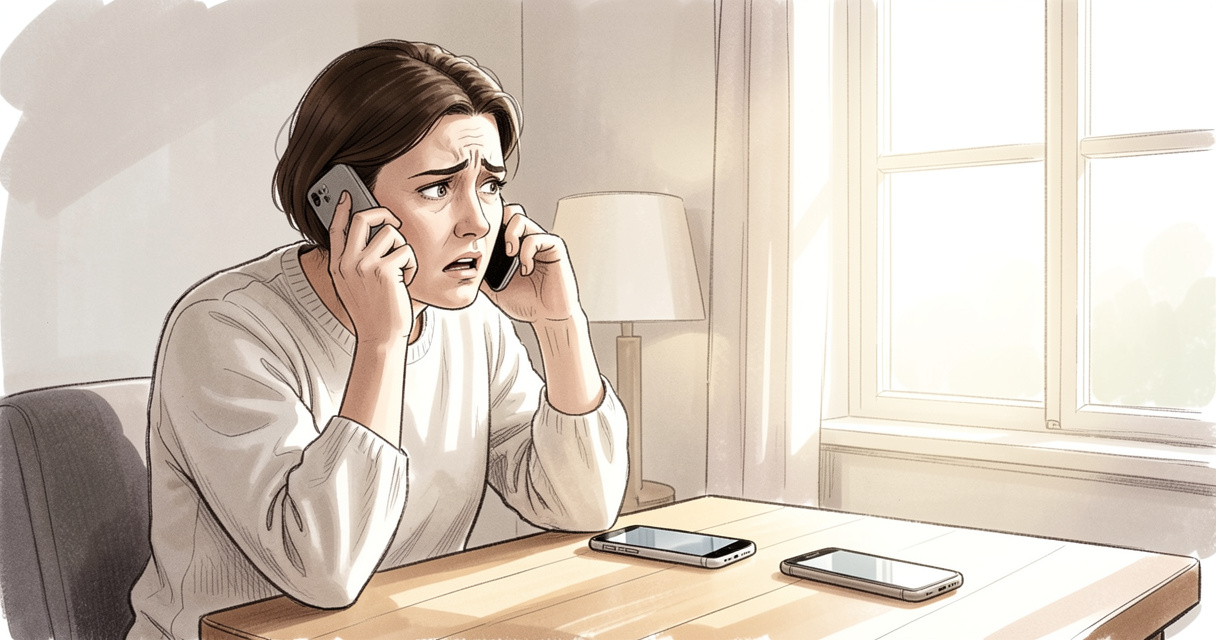
The same pattern appears in consumer reports. On Reddit’s r/Scams forum, multiple users describe daily calls from numbers with different area codes. The caller uses a first name, mentions a well-known insurer, and asks about current auto coverage. The phone number changes, but the script does not.
The 2019 Texas Department of Insurance alert
The official alert remains the clearest record. It identifies the Consumer Insurance Association as an unlicensed entity that was being used to sell or collect data through auto insurance discount offers. For consumers, the recommended action was simple: hang up and report the call.
What consumers report about these calls
Consumers report that the calls do not stop after one attempt. Some describe multiple calls in the same day. The callback number is often disconnected, and the caller’s name changes from one call to the next. The Better Business Bureau profile for Consumer Insurance Associates, Inc. shows the business is no longer in operation, which adds another layer of uncertainty.
| Source | Date | Warning | Recommended action |
|---|---|---|---|
| Texas Department of Insurance | October 2019 | Calls offering auto insurance discounts from the Consumer Insurance Association are a scam | Hang up and report to TDI |
| Reddit r/Scams | Ongoing | Consumers report daily calls from different numbers and rotating names | Block the number and do not engage |
| Better Business Bureau | Updated | Consumer Insurance Associates, Inc. is listed as no longer in operation | Verify the exact business before trusting it |
Regulators have not closed the case. Since 2021, the FCC’s STIR/SHAKEN framework has made it harder for scammers to spoof caller ID, yet the Consumer Insurance Association calls continue to appear in consumer complaint threads. The FTC and state insurance departments still encourage people to report every unsolicited insurance call, because each report helps them track emerging tactics.
The reality is straightforward: one official warning, a steady stream of consumer complaints, and no state license behind the name. That is not the profile of a company you should trust with your coverage.
To make the right decision, you need to see how the scam call works in practice.
How the Consumer Insurance Association Phone Scam Works
Most people expect a scam to sound obviously fake. In my experience, it rarely does. The Consumer Insurance Association phone call is designed to feel like a routine rate-check.
Your phone rings. Caller ID shows an area code you recognize. A caller says: “Hi, this is Jake from the Consumer Insurance Association. We’re working with your current provider to see if you qualify for a lower auto rate. What company are you with right now?” If you answer, the questions get more specific: coverage limits, deductibles, policy number, and sometimes your driver’s license number.
Caller ID spoofing and rotating callers
Caller ID spoofing makes it hard to trace where the call really comes from. A number that looks local can be generated from anywhere in the country. The caller may use a different first name every time. The organization name may shift from Consumer Insurance Association to Consumer Insurance Services or something equally close. These are not mistakes; they are deliberate tactics.
The goal is not to sell a policy during the call. It is to collect enough details to commit identity theft, change your coverage without permission, or sell your information to other scammers. That is why every question about your existing policy is dangerous.
Red flags in the call script
Here are the red flags I’ve seen go wrong too many times:
- Unsolicited call offering a discount you never asked about.
- Pressure to act immediately before the offer expires.
- Requests for your current policy number, premium, or driver’s license.
- Caller ID numbers that change with every call.
- No state license number or official call-back number.
- Refusal to send written information by mail or email.
- Claims of affiliation with your insurer or a government agency.
If I were filing this claim myself, I would hang up at the first red flag. Legitimate insurance programs do not need your policy number before they have given you anything in writing.
The name “Consumer Insurance Association” is also attached to real association benefits, which is exactly why the next part matters.
Real Association Insurance Programs: Legitimate Benefits Worth Knowing
Here is the part that often gets buried under scam warnings: legitimate association insurance programs exist. They can be excellent options for many people. The trick is understanding how they work so you can tell the real thing from a name that borrows the concept.
Associations are membership organizations. They may be trade groups, professional associations, alumni groups, or consumer organizations. When they have enough members, they can negotiate with insurers and pass some of the savings to their members.
| Benefit | What it means | Why it matters |
|---|---|---|
| Advocacy | The association represents members when dealing with insurers. | Members get a collective voice instead of fighting alone. |
| Education | The association provides guides, webinars, and policy tools. | Better choices start with understanding coverage. |
| Networking | Members share real-world experience with insurers. | You learn which companies handle claims well. |
| Group buying power | Negotiated rates and benefits for a defined membership. | Lower premiums or stronger coverage than individual market. |
| Access to coverage | Life, health, auto, and disability products through licensed insurers. | Coverage may be available to those who have trouble buying individually. |
Types of coverage association programs offer
Association programs can offer auto insurance, home insurance, life insurance, disability insurance, travel insurance, and health-related products. Some associations offer association health plans, which allow small employers or self-employed members to pool their buying power. These products are regulated by state and federal rules. They are legitimate when they are underwritten by a licensed insurer and sold by licensed agents.
How group buying power works
Group buying power works because risk is spread across a larger pool. An insurer sees many members of the same association buying coverage, and it can price the product more efficiently. Members benefit from lower rates, better benefits, or both. But this only works if the association has real members, a real negotiation, and a real licensed insurer behind the product.
Can association insurance programs lower your rates? Yes. A legitimate association can deliver meaningful savings. But if a cold caller cannot name the licensed insurer underwriting the policy, you are not in an association program. You are in a lead-generation funnel.
That distinction leads directly to the most important step: verification.
How to Verify a Consumer Insurance Association Before You Share Any Details
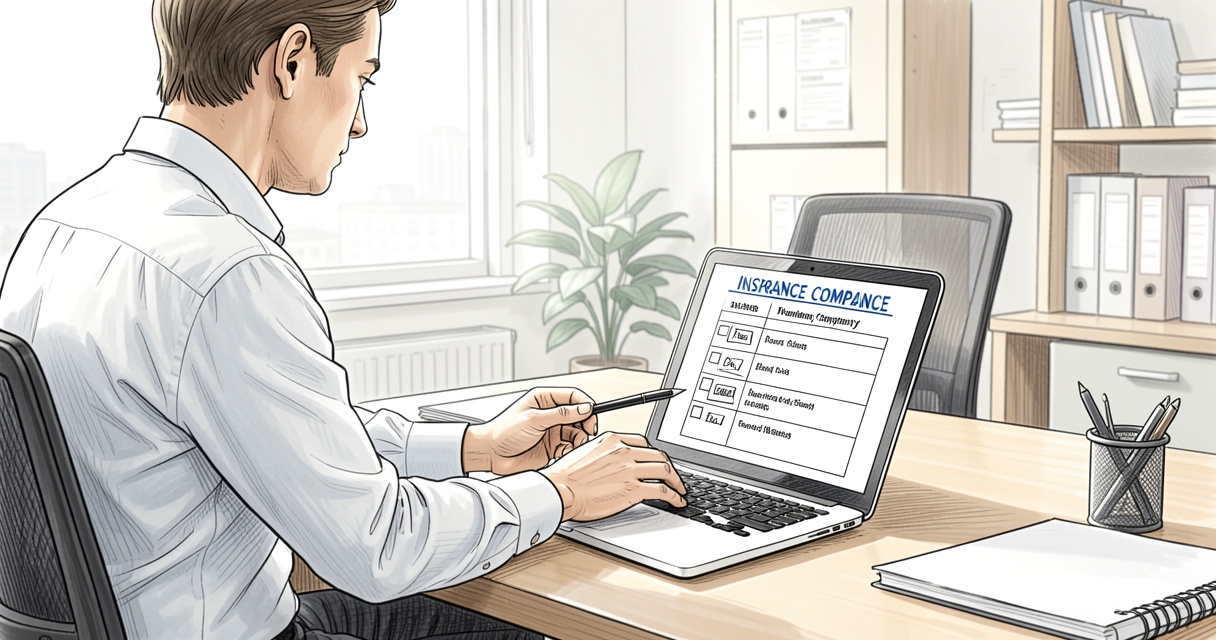
Use this verification flow before you answer questions from any caller. It takes about ten minutes and can save you from the consequences of a stolen policy number.
- Visit your state insurance department’s website and use its license lookup tool.
- Search the official NAIC consumer information pages for alerts.
- Look up the exact business name and phone number on the Better Business Bureau.
- Ask the caller for a license number, agent name, and official call-back number.
- Hang up and call the official number of the organization or insurer they claim to represent.
- Never give personal or policy information to an unsolicited caller.
To put it plainly: if the caller cannot pass these six steps, there is no reason to continue the conversation.
Search your state insurance commissioner’s registry
Your state insurance department is the primary regulator for every licensed insurer and agent working in your state. Its registry usually shows the company’s legal name, license type, and status. Search the exact name: Consumer Insurance Association, Consumer Insurance Associates, and any variation. If nothing appears, the caller has no state authorization.
Here is a step-by-step example. Imagine a caller says they are from the Consumer Insurance Association and asks for your auto policy number. Instead of answering, you ask for the agent’s license number and the state where the agency is licensed. Then you visit that state’s insurance department website, enter the license number in the search tool, and check the expiration date. If no record appears, the call ends there.
Check NAIC membership and consumer resources
The National Association of Insurance Commissioners (NAIC) is an umbrella organization made up of state insurance regulators. It does not sell insurance. It develops uniform practices, coordinates regulatory standards, and hosts consumer tools. If a caller says they work with NAIC, they are either confused or lying.
Before you buy, search NAIC consumer information pages and your state insurance department’s complaint database. A history of unresolved complaints is a strong warning. The NAIC is not the same thing as the Consumer Insurance Association, and it has no connection to unsolicited calls using that name.
Run a BBB lookup and reverse-search the phone number
The Better Business Bureau lookup can reveal whether a business is active, whether it changed names, or whether it is no longer operating. The BBB profile for Consumer Insurance Associates, Inc. shows the business is no longer in operation. That is a concrete signal, but it is not legal proof. Use it together with official regulator data.
Here is the longer checklist I use when I need to verify an insurance association:
- Identify the exact legal name, not the caller’s shortened version.
- Search the state insurance department registry.
- Confirm the agent and agency are licensed in your state.
- Check NAIC consumer resources and state alerts.
- Look for a physical address and an independent official phone number.
- Call back on the official number, not the number in your call log.
- Never reveal personal information to an inbound caller.
If the organization passes every check, you can continue with more confidence. If it fails one check, treat the call as a scam.
What to Do If a “Consumer Insurance Association” Caller Targets You
Hang up. That is step one. Do not ask clarifying questions, do not press 1 to be removed from a list, and do not confirm your name. The Consumer Insurance Association phone scam works by holding your attention. Once you hang up, you take away control.
Note the caller ID number, the name the caller used, the time, and the discount they offered. This information matters for the report.
Report to your state insurance department
Every state insurance department has a consumer complaint process. The Texas Department of Insurance has explicit reporting instructions for these calls, but you should also report to the state where you live. Fraud calls cross state lines, and regulators use consumer complaints to identify patterns.
File a complaint with the FTC or FCC
Report the call to the Federal Trade Commission and the Federal Communications Commission. Use their online complaint portals and mention the Consumer Insurance Association name, the spoofed phone number, and the offer. Add your number to the National Do Not Call Registry as well. It will not stop all spoofed calls, but it gives you and regulators an official record.
If you already shared personal information: contact your insurer immediately, place a fraud alert on your credit file, and monitor your credit reports. I’ve seen this go wrong too many times, and the difference is always how quickly the consumer reacts.
The faster you report a scam, the more useful your report becomes to regulators.
Frequently Asked Questions
Is the Consumer Insurance Association a scam?
The Texas Department of Insurance issued a 2019 warning about callers using this name to offer auto insurance discounts. The organization is not licensed in Texas, and consumers have reported persistent calls. Treat unsolicited calls from this name as suspicious.
What is the Consumer Insurance Association?
The name is used by at least one lead-generation website that connects consumers with licensed insurance agencies, and by fraudulent callers who pretend to offer auto insurance. It is not a licensed insurer, a state agency, or a consumer watchdog.
Who called me from the Consumer Insurance Association?
Your call log may show a spoofed number. Scam callers use different first names and mention well-known insurance companies to sound legitimate. The only safe way to identify the caller is to verify the number independently and never trust caller ID.
How do I stop Consumer Insurance Association calls?
Block the number, add your phone number to the National Do Not Call Registry, and report the calls to the FTC, FCC, and your state insurance department. Calls may continue from spoofed numbers, so do not engage or provide information.
What is the National Association of Insurance Commissioners (NAIC)?
The National Association of Insurance Commissioners is a nonprofit organization of state insurance regulators. It does not sell insurance and is not connected to scam calls that use the Consumer Insurance Association name.
Are association insurance programs legitimate?
Yes. Legitimate associations can offer members group buying power, advocacy, education, and access to licensed insurance products. Verify the association, its website, and the underlying insurer’s license in your state before buying.
How do I report an insurance phone scam?
Hang up, then file a complaint with your state insurance department, the FTC at ftc.gov/complaint, the FCC at fcc.gov/complaints, and the National Do Not Call Registry. If you are in Texas, include the Texas Department of Insurance in your report.
The Bottom Line: Verify Before You Trust the Name
Let me be direct: the Consumer Insurance Association name is not the problem. The problem is what happens when you trust an unverified caller who uses it.
The reality is straightforward. One version of the Consumer Insurance Association is a lead-generation website that connects consumers with licensed insurance agencies. Another version is a phone scam that state regulators have warned about. Legitimate association insurance programs exist, but they do not call you with pressure tactics or demand your policy details within the first minute.
- Verify any group with your state insurance department and NAIC consumer information.
- Never share personal or policy details with an unsolicited caller.
- Report suspicious calls to TDI, your state department, the FTC, the FCC, and the National Do Not Call Registry.
The next time an unsolicited caller says Consumer Insurance Association, stop and use the verification steps above. A few minutes of checking can save you from a costly insurance scam. In my experience across Europe, the policyholders who avoided the trap were not the most paranoid ones. They were the ones who knew exactly what to verify before they talked.

Twelve years inside the claims industry taught me one thing: most people leave money on the table simply because they don’t know the rules. EuroClaim exists to change that — practical guides, no jargon, no insurance PR.